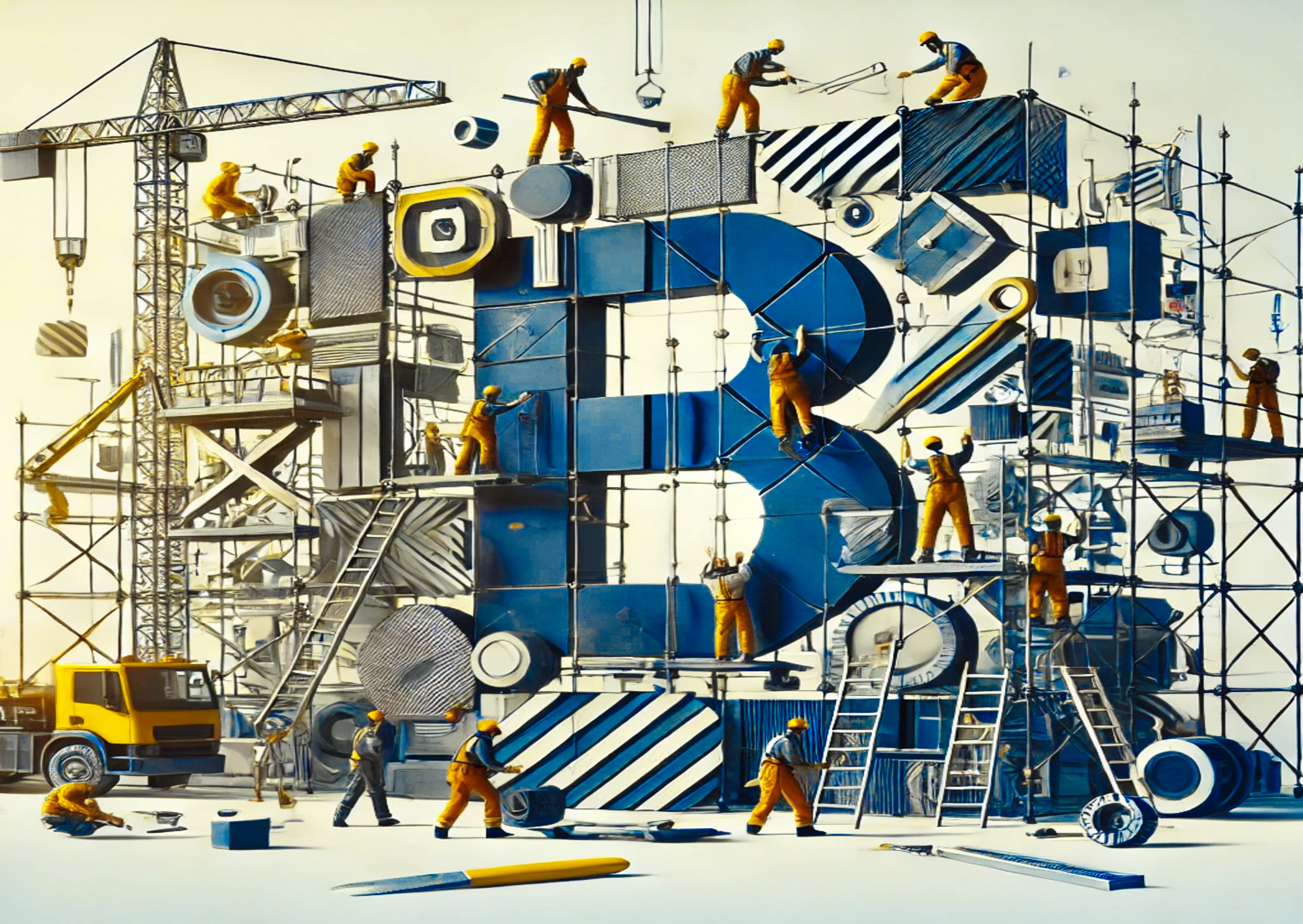
We often hear the term "brand," but how do you actually build one?
In a competitive market like Jordan, creating a strong brand with a
clear brand identity is now essential for success and plays a key
role in shaping your brand image. A brand is more than a logo; it is
the complete identity of your company. It includes your values,
story, messages, appearance, and all visual elements that define how
your business is perceived. It represents what you stand for and how
you talk to your audience. This identity acts as a promise to your
customers about the quality and experience they can expect, and it
guides all your marketing efforts.
To build this foundation, you must first look inward at your
business goals. Understanding your "why" allows you to project a
clear brand image to the outside world. When your internal values
align with your external look and visual elements, you create a
strong brand that feels honest and reliable, strengthening your
brand identity and ensuring your marketing efforts remain consistent
and impactful.
The Role of Visuals and Consistency
Crafting a brand story helps you connect emotionally with potential
customers. Building a brand is not just about a name. It is about a
strategy that ensures consistency across every touchpoint. This
includes your tone of voice, logo fonts, and color palettes. For
example, many modern brands use sans serif fonts to create a clean
aesthetic. These visual choices are not random; they tell the user
if you are modern, traditional, or playful.
Every asset, from packaging to marketing materials, must align with
your brand voice. If your website is formal but your social media is
casual, customers will feel confused. Consistency builds the
familiarity needed for a customer to choose you over a competitor.
Defining Your Brand Mission
The brand mission is your core purpose. It guides the entire process
of building your business. It outlines the values you want to
achieve and acts as a foundation for strategic decisions. A
well-crafted mission statement reflects your identity and tells your
audience why you matter. This builds a powerful emotional
connection. Without a mission, a company is just selling a product;
with a mission, it is fulfilling a need.
For instance, a local company in Jordan might focus on providing
high-quality products that support the local economy. This mission
shapes everything from your packaging to your social media posts. It
gives your employees a reason to be proud and your customers a
reason to support you. By emphasizing unique values, the mission
helps you stand out in a crowded market. It acts as a filter for
your business choices. If a new opportunity does not fit the
mission, you can safely walk away. Ultimately, it creates a brand
that is purpose-driven and ready for long-term success.
Real-World Mission Examples
Zain Jordan leads the way by focusing on innovation in telecommunications to improve society. Their mission is not just about signal strength; it is about human connection. Similarly, Airport International Group relies on a mission of excellence. They focus on safety and comfort for every traveler passing through Jordan. These organizations use their mission to ground their entire corporate culture. When a mission is clear, every employee knows how to contribute to the brand’s success.
Setting Brand Objectives
Objectives are the specific goals your company aims to reach. One
major goal is increasing brand awareness. You can achieve this
through advertising campaigns that ensure people recognize your
name. For a small business, understanding customer pain points is
the key to thriving. If you know what keeps your customers awake at
night, you can offer the perfect solution. This creates a brand that
feels helpful rather than pushy.
Another objective is gaining a larger market share. You can do this
by developing new products or entering new markets. Growth requires
a balance of keeping old customers happy while finding new ones.
Value-driven strategies help you attract and keep loyal customers.
Improving the customer experience is also vital. By solving problems
efficiently, you win long-term loyalty that no marketing budget can
buy.
Measurable Success through Strategic Planning
These objectives must be measurable and have a clear timeline. For
example, a company might aim to grow its market share by 20% within
two years. Without a deadline, a goal is just a wish. Aramex in
Jordan provides a great example. They have a strategic goal to
expand fast delivery services to all governorates by the end of
2025. This gives the team a clear target and a way to measure their
hard work.
Clear goals allow you to track your progress and adjust your
tactics. If you are not hitting your targets, your brand strategy
might need a refresh. Constant checking ensures your brand stays
relevant in a fast-changing world.
Performing Market Research and Brand Audits
A brand audit analyzes your current status from many angles. This
process begins with thorough market research. You need to know what
people really think about you, not just what you hope they think.
First, look at distribution. Are your channels reaching the right
people? A food company in Jordan might focus on reaching remote
areas to beat the competition. If people can't find your product,
they can't buy it.
Next, use surveys to understand customer needs and behaviors. Data
is your best friend in branding. It removes the guesswork and tells
you exactly where to spend your money. You must also analyze your
competitors. Identify their strengths and weaknesses to improve your
own offer. For example, a new company might study how Coca-Cola
promotes products compared to Pepsi. Knowing the "enemy" helps you
find the gaps they have left open.
Finally, look at the macro environment. This includes economic and
legal factors in Jordan that might affect your growth. Being aware
of local laws and trends prevents costly mistakes and keeps your
brand safe.
Strategic Brand Positioning
Brand positioning is how you want customers to see you compared to
others. It depends on knowing your audience and their pain points.
You want to own a specific "word" or "feeling" in the customer's
mind. A strong strategy helps you build awareness and lasting
connections. Using a consistent style guide ensures your brand looks
the same across all social media posts and marketing materials. This
repetition creates memory.
Lumiere Furniture in Jordan is a great example of positioning. They
combine European elegance with affordable local prices. They occupy
the space of "affordable luxury," which is a very strong position.
This strategy is similar to how global brands like Coca-Cola tailor
their message to local cultures. They stay global but feel local.
Consistent design strengthens their image and their connection with
customers across the world.
Developing Branding Guidelines and Personality
Brand personality refers to human traits. Is your brand elegant,
modern, or practical? Defining this personality helps you build an
emotional bond with your audience. People buy from people they like;
a personality makes your company more "human." As you build your
brand from scratch, establishing branding guidelines is essential to
keep your identity clear. These rules act as a law book for your
brand. They ensure that everyone in your company uses the same
colors, fonts, and tone.
A strong personality attracts attention and keeps customers loyal.
Caracal Sportswear in Jordan has a dynamic and youthful personality.
They speak the language of their customers, which creates instant
trust. Their strategy resonates with their audience and builds
long-term relationships. This proves that the right personality
drives brand growth when supported by a clear visual identity. When
your brand has a soul, customers become fans.
Building Trust for the Future
Once you set your identity, you must build trust. Trust is the
currency of the modern economy. You earn it by keeping your promises
and delivering quality every single time. A brand that fails to
deliver on its promise will quickly lose its reputation. In the age
of social media, one bad experience can reach thousands. Therefore,
your internal operations must be as strong as your external
marketing.
Train your staff to live the brand values. If your brand is
"friendly," your customer service must be the friendliest in Jordan.
This alignment between marketing and reality is where true brand
power lives.
Conclusion
Building a distinctive brand requires careful planning. It is a long
journey that starts with a mission and ends with a sustainable
identity. It is not something you do once; it is something you
manage every day.
Specialized companies like
Ain Designin Jordan offer
the expert advice needed to succeed in local markets. Their team
helps businesses navigate the complexities of identity and growth.
They understand the local culture and how to make a brand shine
within it.
To learn more about building a brand, visit Ain Design for
specialized services. Once your identity is set, keep moving
forward. Building trust is your next big task.
Read our next article, Brand Power: Building Trust and Loyalty for Success , to see how to turn your brand into a household name. Success is waiting for those who build with purpose and passion.