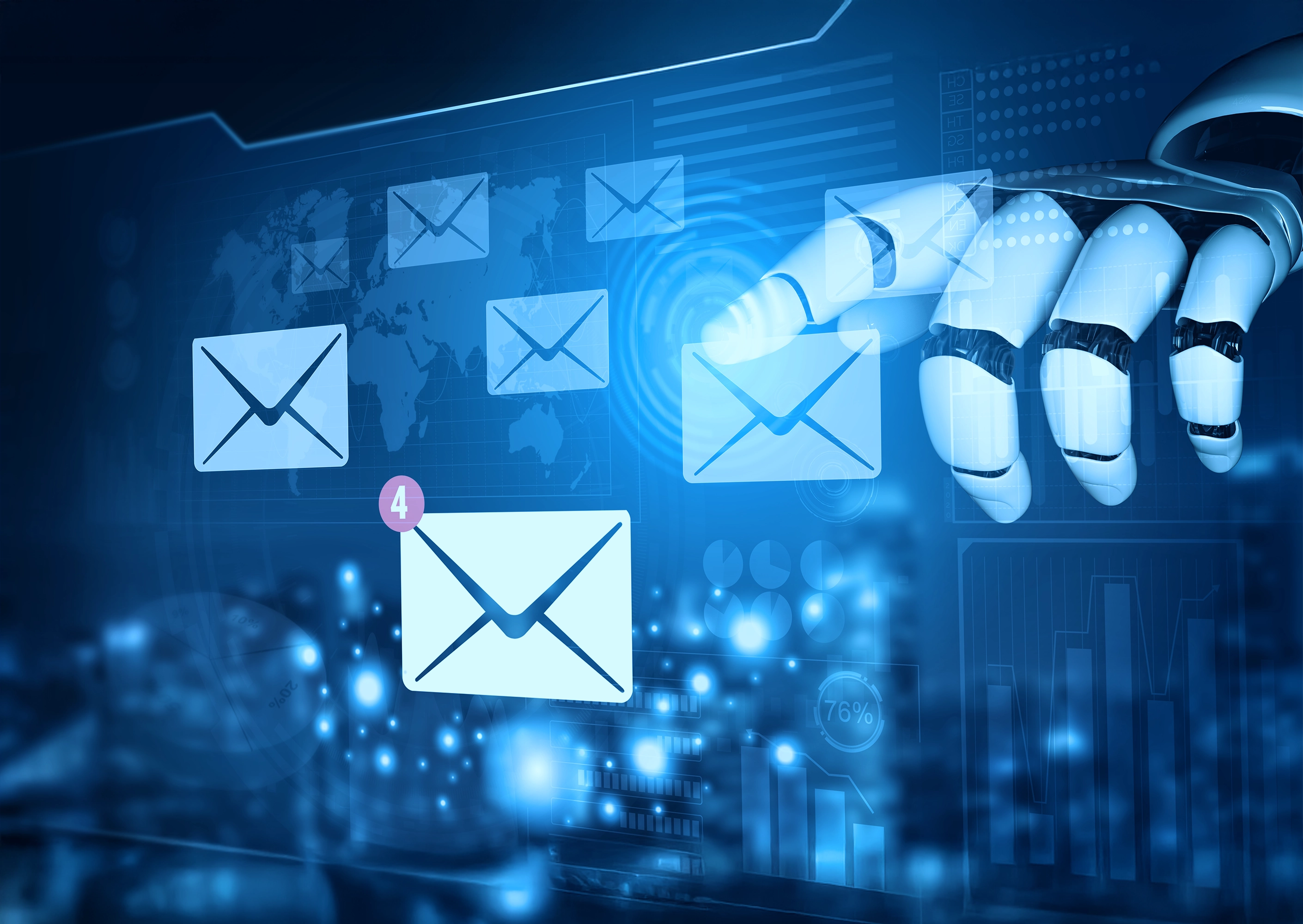
AI is now an important part of marketing. It is more than a tool to
save time. It helps brands understand their customers and connect
with them better across the entire customer journey. With AI,
marketers can analyze historical data, real time data, and purchase
history to see what customers like, what they want, and how they
behave across different platforms such as email marketing channels
and search engine interactions. Tools like predictive analytics,
machine learning and deep learning, natural language processing
(NLP), and audience segmentation make this possible, along with
recommendation engines that deliver personalized content tailored to
each user. Generative AI can even create content automatically for
emails, social media, or blogs, supporting content marketing
strategies and helping brands leverage AI more effectively across
their marketing channels.
AI also learns over time. It notices which campaigns work and which
do not by evaluating ongoing marketing efforts. It finds patterns in
customer behavior and suggests ways to improve marketing performance
across search engine visibility, email marketing engagement, and
content marketing effectiveness. This helps brands make smarter
decisions, enhance the customer journey, and reach the right people
at the right time through personalized content powered by machine
learning and deep learning and advanced recommendation engines.
Using Data to Make Better Marketing Decisions
Every day, people interact with websites, apps, and social media.
Each click, like, or comment creates data. AI takes this data and
turns it into useful insights.
For example, AI can show which products are popular, what type of
content engages customers, and which marketing channels work best.
Using these insights, marketers can
- • Send messages that match customer interests
- • Choose the right channels for advertising
- • Plan campaigns that are more likely to succeed
AI can also automate tasks. It can schedule posts, adjust ad spending, or suggest content ideas. This saves time and helps marketing teams focus on planning and creativity. Generative AI allows brands to create high-quality content faster. For example, it can write social media captions, design visuals, or even make short videos. This keeps campaigns fresh, consistent, and engaging.
Personalization for Better Customer Experience
Customers expect marketing to be personal. They want content and
recommendations that match their preferences. AI makes this
possible.
By analyzing browsing history, purchases, and engagement, AI can
deliver content that fits each customer. This includes:
- • Personalized emails
- • Product suggestions on websites
- • Tailored social media posts
Personalized experiences make customers feel understood. They are more likely to buy, return, and recommend the brand. Personalization also helps companies stand out from competitors.
Predictive Marketing
Predictive marketing means knowing what customers want before they do. AI looks at past behavior and current trends to predict future actions. For example:
- • AI can suggest the best time to send an email.
- • It can recommend products that a customer is likely to buy.
- • It can identify trends in social media to improve campaigns.
Predictive marketing reduces risks. Marketers make decisions based on data, not guesses. This leads to higher sales and better results.
AI Chatbots for Customer Interaction
AI chatbots, powered by advanced ai capabilities, can talk to
customers any time, day or night. They answer questions, give
recommendations, and help users find information. Chatbots also
collect data. They learn what customers ask most often and how they
behave, giving businesses a competitive advantage in understanding
user needs. This data helps marketers improve messages and offers in
the future.
Using chatbots makes customer service faster and easier. Human
agents can focus on solving more complicated problems, while
chatbots handle repetitive questions, further enhancing operational
efficiency and strengthening the company’s competitive advantage
through continuous improvement of their ai capabilities.
Dynamic Pricing for Profits
AI-driven dynamic pricing is a strategy that adapts product pricing in real time based on market trends, demand, and competitor behavior, driven by increasing ai adoption and advanced data analysis. This enables businesses to stay competitive, optimize conversion rates, and increase sales while maintaining customer satisfaction.
Continuous Innovation in AI Use in Marketing
AI can help businesses set prices in real time. Prices can change based on demand, market trends, and competitor actions. For example:
- • If demand is high, AI can suggest a higher price.
- • If demand is low, AI can offer discounts to encourage purchases.
Dynamic pricing helps businesses stay competitive. It increases revenue and ensures customers feel they are getting fair prices.
Generative AI for Content Creation
Generative AI can create content like text, images, or videos. It saves time and money while keeping content personalized. With generative AI, marketing teams can:
- • Test different campaign versions
- • Maintain consistent messaging
- • Produce content quickly
- • Reach more customers without extra cost
This technology allows brands to respond faster to trends. Campaigns can be updated quickly, keeping customers engaged and interested.
Real Examples of AI in Marketing
- 1. Email Campaigns: AI can analyze which subject lines get the most opens and suggest improvements.
- 2. Social Media Ads: AI can show ads only to the people most likely to engage.
- 3. E-commerce Recommendations: AI suggests products based on browsing history.
- 4. Customer Support: Chatbots answer common questions instantly, improving satisfaction.
These examples show how AI can save time, improve results, and make marketing smarter.
Conclusion
AI is changing marketing. It makes campaigns smarter, content more
personal, and decisions data-driven. Companies that use AI gain an
advantage over competitors. AI tools like predictive analytics,
personalization, and generative AI help businesses grow, improve
engagement, and increase sales.
If you want to use AI in your marketing, visit
Ain Design. Our solutions
help brands create smarter campaigns, engage customers, and grow
sustainably.